• 15+ Years Commercial Refrigeration Experience
• Certified Cold Room Technicians
• Same-Day Cold Room Repairs Durban
• 24/7 Emergency Breakdown Response
Your cold room going down is not a maintenance issue — it is a financial emergency. Every hour your cold room is not running at the correct temperature, your stock is deteriorating, your food safety compliance is at risk and your business is losing money. There is no convenient time for a cold room failure and there is no acceptable response from a repair company other than getting there fast and fixing it correctly.
Appliance Repairs Durban has been repairing cold rooms for Durban restaurants, supermarkets, butcheries, hotels, pharmacies and cold storage facilities for 22 years. Our certified technicians operate in fully-equipped mobile units that cover all Durban areas every day, carrying the most common commercial refrigeration parts, refrigerant gas and diagnostic equipment for all major cold room systems. We treat every cold room callout as our highest priority because we understand exactly what is at stake when your cold room goes down.
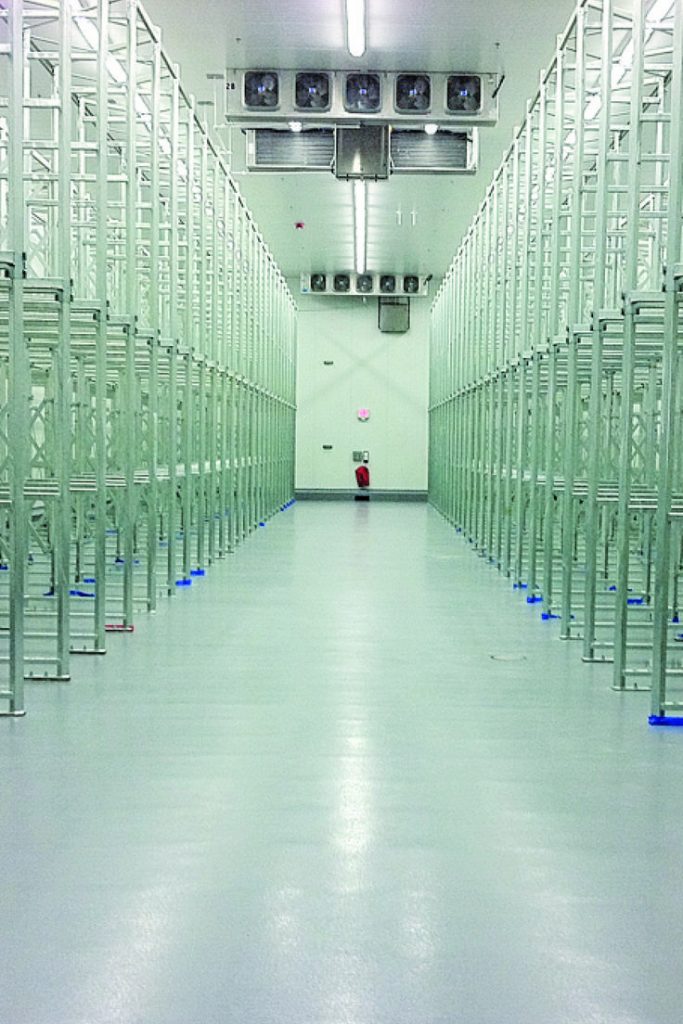
We repair all cold room types across Durban including walk-in cold rooms, walk-in freezer rooms, hanging rail cold rooms for butcheries, pharmaceutical cold rooms, modular cold rooms and industrial cold storage rooms. Our technicians are experienced in both the mechanical refrigeration systems and the electronic control systems that manage commercial cold room equipment, which means accurate diagnosis and correct repairs the first time.
Every cold room repair we complete comes with a full written quote before any work begins and a 6-month workmanship guarantee on all labour and parts. For Durban businesses that cannot afford unexpected cold room downtime, we offer planned maintenance contracts providing scheduled preventative servicing, priority emergency response and detailed service records.
WhatsApp +27 79 976 2941 — Emergency Cold Room Response Now
Call +27 79 976 2941
Cold room down? Tell us your suburb, cold room type and current temperature — we confirm response time within minutes
Our certified technicians diagnose and repair all cold room faults across Durban, from a single-door cold room in a Durban North restaurant to a multi-room cold storage facility in Pinetown.
This is the most critical cold room fault. A cold room that is running but not maintaining the correct temperature has a fault somewhere in the refrigeration system that is preventing it from achieving adequate cooling.
The compressor is the heart of the cold room refrigeration system. When it fails, the cold room stops cooling entirely. Compressor failure in Durban is commonly caused by load shedding surge damage to compressor windings, overheating due to dirty condenser coils or refrigerant contamination from a moisture ingress event. Our technicians carry replacement compressors for the most common commercial refrigeration systems, and in many cases compressor replacement is completed on the same day or within 24 hours of the callout.
A refrigerant leak causes system pressure to drop progressively until the cold room can no longer maintain temperature. Refrigerant leaks in Durban cold rooms are most commonly caused by salt air corrosion of copper refrigerant lines and coil joints, vibration fatigue of flare nut connections and physical damage to refrigerant pipework. Our technicians carry professional leak detection equipment and all common commercial refrigerant types for same-day leak repair and regas.
In Durban’s coastal and humid environment, condenser coils on cold room condensing units accumulate salt deposits, dust and biological growth faster than in inland cities. Severely blocked condenser coils prevent heat rejection, causing the compressor to run at abnormally high head pressure, overheat and eventually trip on thermal protection. This often presents as a cold room that cools adequately in the early morning but loses temperature as the day heats up.
The evaporator fans inside the cold room circulate cold air from the evaporator coil throughout the room. When an evaporator fan motor fails, the compressor continues to run but the cold air produced at the evaporator coil is not distributed properly, causing temperature stratification and overall temperature rise.
Cold rooms operating below 4 degrees Celsius and all freezer rooms require automatic defrost cycles to prevent ice accumulation on the evaporator coil. When the defrost heater, defrost thermostat or defrost timer fails, ice accumulates on the evaporator coil unchecked and eventually blocks airflow completely, causing the cold room temperature to rise.
A cold room that has been slowly losing refrigerant through a small leak will progressively lose cooling capacity. The temperature may drift gradually warmer over weeks or months before a noticeable fault becomes obvious. A cold room consistently running 2 to 3 degrees above its setpoint despite the compressor running is a classic sign of low refrigerant.
A cold room that is completely non-operational, with no compressor running, no fans and no controller display, usually has an electrical fault. Common causes include a tripped circuit breaker at the DB board, a failed main contactor in the cold room electrical panel, a power supply fault, a controller failure or a wiring fault. Before calling, check the circuit breaker at your DB board. If the breaker is not tripped or trips immediately on reset, contact us.
A cold room compressor that starts, runs for a short time and then stops repeatedly is short cycling. This is a damaging fault that causes rapid compressor wear if not corrected. Common causes include a low refrigerant charge, a dirty condenser causing high-pressure trips, a faulty thermostat or a failing compressor with internal thermal protection tripping due to overheating.
A cold room that is running colder than the setpoint and freezing produce that should only be chilled has a temperature control fault. Common causes include a faulty thermostat or temperature controller, a temperature sensor that has shifted from its correct location, a defective expansion valve or a controller setpoint that has been changed accidentally.
A cold room with excessive ice accumulation on the evaporator coil, walls, ceiling or floor usually has a defrost system fault and or a door seal problem. Specific causes include a failed defrost heater, a failed defrost thermostat, a failed defrost timer or controller, a damaged door seal allowing humid air in or a door being left open too often in a busy commercial environment.
Water on the cold room floor or water leaking from the evaporator unit is usually caused by a blocked condensate drain. Defrost water that cannot drain from the evaporator pan overflows and either freezes inside the cold room or leaks through the cold room floor or ceiling into the area below.
A cold room door that does not close and seal correctly causes continuous heat infiltration, forcing the compressor to run almost continuously and consuming significantly more electricity than a correctly sealed cold room. Faults include worn or damaged door seals, failed door closers, bent or damaged hinges, failed magnetic catches and damaged door panels.
A cold room that has developed unusual noise such as grinding, rattling, clicking or hissing usually has a specific component fault. Grinding or squealing from inside the cold room often indicates evaporator fan motor bearing failure. Grinding or loud humming from the condensing unit may indicate compressor bearing failure or severe condenser coil blockage. Hissing from refrigerant pipework often indicates a refrigerant leak.
Modern cold room temperature controllers have built-in alarm functions that activate when the temperature exceeds the set alarm threshold. If your cold room alarm has activated, the cold room temperature has risen above the safe storage range. Contact us immediately. Do not simply silence the alarm and assume the fault will resolve itself.
Cold room repairs are quoted on inspection due to the significant variation in system size, cold room type, refrigerant type and fault complexity.
This covers your technician travelling to your Durban business, diagnosing the fault and providing a full written quote. The call-out fee is waived if you proceed with the repair.
Common minor repairs include:
Defrost heater replacement
Defrost thermostat replacement
Defrost timer or controller replacement
Evaporator fan motor replacement
Temperature controller replacement
Contactor or relay replacement
Door seal replacement
Drain clearing and treatment
Door closer replacement
Minor refrigerant leak repair and top-up
Common major repairs include:
Compressor replacement
Refrigerant leak repair and full regas
Evaporator coil replacement
Condenser coil replacement
Complete electrical panel repair or replacement
Condensing unit replacement
All costs are communicated in a full written quote before any work begins. You approve every line item before we proceed.
These are the most common commercial cold room type. They are used by restaurants, hotels, supermarkets, catering companies and food retail businesses for short- to medium-term storage of fresh food, beverages and dairy products. We repair all walk-in cold room refrigeration systems across Durban, including single-phase and three-phase systems of all sizes.
These are structurally similar to walk-in cold rooms but operate at much lower temperatures, typically minus 18 to minus 25 degrees Celsius. Freezer rooms require more robust insulation panels, heated door frames and more powerful refrigeration systems. We repair all walk-in freezer room refrigeration systems across Durban.
These cold rooms are specifically designed for meat hanging, with overhead rails, hook systems and drainage floors for wash-down. They operate at 0 to 2 degrees Celsius and are subject to extremely heavy use. We provide priority repair response for butcheries across Durban because a butchery cold room failure puts the entire meat stock at immediate risk.
These cold rooms require precise temperature control, typically 2 to 8 degrees Celsius, and regulatory compliance. Pharmaceutical cold room failures require immediate response, accurate repair and detailed temperature excursion documentation.
These are prefabricated cold rooms constructed from insulated panel sections and installed inside existing buildings. They are common in restaurants, convenience stores and small food retail businesses. We repair all modular cold room refrigeration systems and insulated panel configurations across Durban.
These large-scale cold storage facilities are used for food logistics, distribution and long-term storage. Industrial cold storage systems are typically three-phase with large-capacity compressors and extensive evaporator and condenser coil arrays. We service and repair these systems across Durban’s industrial areas including Pinetown, Riverhorse Valley, Durban CBD and Isipingo.
Our certified technicians work with all commercial refrigerant types used in Durban cold room systems, including:
R404A
R134a
R22
R448A
R449A
R507
R290
Our mobile units carry all common commercial refrigerant types. Contact us to confirm your cold room’s refrigerant type and same-day availability.
We repair cold room systems using components from all major commercial refrigeration manufacturers.
Copeland, Embraco, Tecumseh, Bitzer, Danfoss, Kulthorn, LG, Samsung
Carrier, York, Bitzer, Danfoss, Tecumseh, Embraco, Copeland
Dixell, Eliwell, Danfoss, Carel, Pego, Evco
Ebm-papst, Elco, Fime, Spal
Ciat, Güntner, Kelvion, Lu-Ve
Bitzer, Huurre, Viessmann, Frigovent
Do not see your brand listed? We service most commercial refrigeration brands operating in the South African market.
Our mobile units cover the entire Durban metro and surrounding commercial areas daily.
Umhlanga, La Lucia, Durban North, Ballito, Tongaat, Mount Edgecombe, Phoenix, Verulam, Riverhorse Valley
Berea, Morningside, Musgrave, Glenwood, Durban CBD, Point, Greyville, Stamford Hill, Overport
Bluff, Isipingo, Amanzimtoti, Montclair, Wentworth, Merebank, Rossburgh, Clairwood, Yellowwood Park
Pinetown, Westville, Hillcrest, Chatsworth, Queensburgh, New Germany, Reservoir Hills, Sarnia, Shallcross
For cold room repairs beyond the Durban metro, including Pietermaritzburg, Stanger, Scottburgh and the South Coast, contact us to discuss availability and response times.
We do not put cold room callouts on a standard booking queue. We understand that a cold room failure in a Durban restaurant, butchery or supermarket is a financial emergency that costs money by the hour, and we respond accordingly.
We have been repairing cold rooms across Durban since 2003. We know the specific fault patterns that Durban’s coastal humidity, high ambient temperatures and load shedding cause in commercial cold room systems. That experience means faster diagnosis and more accurate repairs.
Our mobile units carry the most common cold room parts and all common commercial refrigerant types. For standard cold room faults, our technicians can often repair on the same-day visit.
Commercial cold room diagnosis requires professional gauges, electronic leak detectors, calibrated thermometers and electrical diagnostic equipment. Our technicians take the measurements required for accurate diagnosis before recommending a repair.
Every cold room repair comes with a detailed written service report documenting the fault found, the repair performed, the parts replaced and the operating parameters confirmed at commissioning.
Every cold room repair we complete comes with a 6-month workmanship guarantee in writing. We stand behind our commercial work exactly as we do on residential repairs.
Cold room emergencies receive our highest priority response. In most cases, we can have a certified technician at your Durban business within 2 to 4 hours depending on current technician locations across Durban. Contact us immediately when your cold room fails and tell us your suburb, cold room type and current temperature.
Keep the cold room door closed, check the circuit breaker, check whether the condensing unit is running, note and record the current temperature, photograph the controller display and condensing unit, contact us immediately and begin assessing your most temperature-sensitive stock.
Cold room repairs are quoted on inspection due to the variation in system size and fault complexity. Minor repairs usually cost between R800 and R3,000, while major repairs such as compressor replacement, refrigerant leak repair and regas typically cost between R3,000 and R20,000 depending on the system.
Yes. Load shedding is one of the leading causes of cold room compressor failure in Durban. Voltage surges on power restoration can damage compressor motor windings, and repeated temperature cycling also stresses insulation, seals and refrigerant system joints.
Yes. Our technicians provide written temperature excursion reports for pharmaceutical cold room failures, documenting the fault, temperature readings, repair performed and return-to-service time.
Yes. Cold room failures on weekends and public holidays are attended to with the same urgency as weekday callouts. After-hours and weekend emergency callouts may attract an additional fee, which will always be communicated before dispatch.
We recommend at least twice-yearly servicing for all commercial cold rooms in Durban, with more frequent servicing for high-use and coastal installations.
Yes. Our maintenance contracts include scheduled preventative service visits, priority emergency response, discounted parts and labour rates and detailed service records.
Our 6-month workmanship guarantee covers all labour performed and all workmanship on the specific fault that was repaired. If the same fault returns within 6 months, we will return and fix it at no additional charge. Parts are covered by the relevant manufacturer warranty.
Yes. We carry R22 refrigerant and can repair and regas R22 cold room systems across Durban. However, because R22 is being phased out and becoming more expensive, we will give you an honest comparison between repair cost and replacement cost so you can make the best financial decision.
If your cold room is not maintaining temperature, leaking, icing up, making unusual noises or has stopped working completely, do not wait for stock loss and compliance risks to get worse.
Appliance Repairs Durban provides fast, priority cold room repairs across all Durban areas for restaurants, supermarkets, butcheries, hotels, pharmacies and industrial facilities.
Call +27 79 976 2941
WhatsApp +27 79 976 2941
Priority cold room repair response for Durban businesses.

When your cold room goes down your stock is at risk and your business is losing money by the hour. You need to know exactly what is going to happen and how fast. Here is our complete cold room repair process from the moment you contact us to the moment your cold room is back at the correct operating temperature.
Step 1 — Contact Us Immediately by WhatsApp or Phone
Call or WhatsApp us on +27 79 976 2941 the moment you realise your cold room has failed or is not maintaining temperature. Tell us:
• Your business name and suburb in Durban
• The type of cold room — walk-in cold room, walk-in freezer room, hanging rail butchery cold room, pharmaceutical cold room or modular cold room
• The current temperature reading on the controller display
• How long the cold room has been down or when you last confirmed it was operating correctly
• The symptoms you are observing — not cooling, compressor not running, unusual noise, temperature rising slowly or rapidly, alarm activated, tripping DB board
• Whether anything happened before the failure — a load shedding outage, an unusual noise or any visible changes to the condensing unit or evaporator unit
• The approximate size of your cold room and the refrigerant type if you know it — this helps us prepare the correct parts and refrigerant before departure
The more information you give us at this stage the better prepared our technician will be on arrival — in many cases allowing the correct replacement part or refrigerant to be on board before the technician leaves our depot.
We respond to cold room callouts within minutes. Cold room failures are our highest priority commercial callout. We will confirm our response time for your Durban area immediately and give you specific advice on protecting your stock while you wait.
What happens at this step:
• We respond within minutes — cold room callouts are our highest priority
• Response time confirmed immediately for your Durban area
• Cold room type, temperature and fault details noted — correct parts and refrigerant prepared for dispatch where possible
• Specific stock protection advice given while you wait
• No deposit required
Step 2 — Priority Dispatch of Certified Cold Room Technician
A certified commercial refrigeration technician in a fully-equipped mobile unit is dispatched to your Durban business as the highest priority callout. Cold room technicians are not dispatched in the normal order of bookings — they are dispatched immediately ahead of all other service calls because we understand the financial urgency of a cold room failure.
Our mobile units carry everything required to diagnose and repair the majority of cold room faults on a single visit:
• Professional refrigerant gauge sets — suction and discharge pressure measurement for all commercial refrigerant types
• Electronic leak detector and UV dye leak detection kit
• Vacuum pump for system evacuation after leak repair
• R404A, R134a, R22, R448A, R449A and R507 refrigerant gas — the most common commercial cold room refrigerant types
• Brazing equipment for copper pipe and coil leak repairs
• Replacement temperature controllers — Dixell, Eliwell, Danfoss and Carel
• Replacement defrost heaters, defrost thermostats and defrost timers for common cold room configurations
• Replacement evaporator fan motors for common cold room evaporator units
• Replacement contactors, relays and electrical components for cold room control panels
• Replacement door seals for common cold room configurations
• Multimeter and electrical diagnostic equipment for control panel and wiring fault diagnosis
• Independent calibrated thermometer for temperature verification
What happens at this step:
• Certified cold room technician dispatched immediately as highest priority
• Mobile unit stocked with cold room parts and all common commercial refrigerant types
• Technician briefed on cold room type and fault before departure — correct parts and gas on board
• Estimated arrival time confirmed to you immediately after dispatch
Step 3 — Arrival, Rapid Stock Assessment and Initial Fault Check
When our technician arrives the first two minutes are focused on the most urgent question — how much time does your stock have and what is the most likely fault cause. This rapid initial assessment guides everything that follows:
Immediate temperature assessment:
• Current cold room temperature confirmed from the controller display and verified with our independent calibrated thermometer
• Temperature trend assessed — is the temperature stable, rising slowly or rising rapidly
• Time to critical temperature calculated — based on current room temperature, rate of rise and the specific products stored
• If the temperature has already reached a critical threshold our technician advises immediately on which stock items are most at risk and whether emergency transfer is warranted
Immediate fault identification:
• Is the condensing unit running — compressor operating, condenser fan running
• Is the evaporator unit running — evaporator fans operating, any ice accumulation visible
• Is the temperature controller displaying fault codes
• Is the electrical supply to the cold room system confirmed — circuit breaker status, contactor operation
• Are there any visible signs of refrigerant leak — oil staining on refrigerant lines or connections, frost at specific points on the pipework
This rapid initial assessment takes approximately 5 minutes and allows our technician to immediately identify whether the fault is likely to be a quick repair — a tripped contactor, a failed defrost component, a temperature controller fault — or a more significant repair requiring detailed diagnosis.
What happens at this step:
• Independent temperature measurement taken immediately on arrival
• Temperature trend and time to critical temperature assessed
• Stock at risk identified — emergency transfer recommendation made if necessary
• Rapid initial fault identification — likely fault category established within 5 minutes
• Pharmaceutical cold room temperature excursion log started immediately on arrival
Step 4 — Detailed Technical Diagnosis
Following the rapid initial assessment our technician conducts a thorough technical diagnosis to identify the exact fault cause. Accurate diagnosis on a commercial cold room system requires professional equipment and systematic methodology — guessing leads to unnecessary parts replacement, incorrect repairs and recurring faults.
Mechanical refrigeration diagnosis:
• Refrigerant pressure measurement — suction and discharge pressures measured with calibrated gauge sets and compared against the system’s specified operating pressures at the current ambient temperature. This single measurement confirms or rules out low refrigerant, compressor fault, expansion valve fault and condenser efficiency problems simultaneously.
• Compressor assessment — suction and discharge pressures, compressor current draw, compressor surface temperature, compressor noise and vibration. These measurements confirm whether the compressor is functioning correctly, struggling under excessive load or has failed.
• Condenser coil assessment — cleanliness, fin condition, airflow confirmation. A severely blocked condenser coil causes high head pressure that appears as a compressor fault on a gauge reading — our technicians assess coil condition before attributing high head pressure to compressor failure.
• Evaporator coil assessment — frost pattern analysis, coil temperature measurement, evaporator fan operation. The frost pattern on the evaporator coil is diagnostic — an even frost pattern indicates normal operation, no frost indicates no refrigerant flow and partial frost indicates a specific coil or refrigerant distribution fault.
• Refrigerant leak detection — if low refrigerant is confirmed our technician uses both electronic detection and UV dye methods to locate all leak points before any refrigerant is added.
• Expansion valve assessment — superheat measurement at the evaporator outlet confirms whether the expansion valve is feeding the correct quantity of refrigerant to the evaporator.
Electrical and control system diagnosis:
• Temperature controller — setpoint, differential, defrost settings, alarm settings and fault code history reviewed. Controller output voltage to compressor contactor and evaporator fans measured.
• Compressor contactor — contact condition, coil voltage and current draw measured. A failed contactor is one of the most common and most easily overlooked cold room electrical faults.
• Defrost system — defrost heater resistance measured, defrost thermostat operation confirmed, defrost timer or electronic defrost board output confirmed. Manual defrost initiated to observe the complete defrost cycle operation.
• Fan motors — current draw measured for each evaporator and condenser fan motor. Bearing condition assessed by listening and by amperage variation. A fan motor drawing abnormal current is approaching failure even if it is still running.
• Wiring and connections — all accessible wiring and terminal connections inspected for damage, corrosion — particularly important in Durban’s coastal environment — loose connections and incorrect wiring.
• Temperature sensors — sensor resistance measured at ambient temperature and confirmed against the expected resistance curve for the sensor type. A drifted or failed temperature sensor causes inaccurate temperature control that may not be immediately obvious.
After completing the full diagnosis our technician will:
• Explain the exact fault cause in plain language — no technical jargon
• Describe the complete repair required including all components to be replaced
• Provide a realistic time estimate — same day or parts sourcing timeline
• Provide a full written quote itemising all labour, parts and refrigerant separately
• Give an honest assessment of the long-term condition of the cold room system if relevant deterioration has been noted
No work begins without your written approval. For urgent situations where your stock is at immediate risk we communicate the quote as quickly as possible and can begin work within minutes of your approval.
What happens at this step:
• Full mechanical refrigeration diagnosis — pressures, temperatures, compressor assessment, leak detection
• Full electrical and control system diagnosis — controller, contactor, defrost system, fan motors, sensors
• Exact fault cause confirmed with measurements — not guesswork
• Fault explained clearly in plain language
• Full written quote — labour, parts and refrigerant itemised separately
• Time estimate provided — same day completion or sourcing timeline
• No work begins without your written approval
Step 5 — Cold Room Repair Completed Using Correct Commercial Parts
Once you approve the quote repair begins immediately. Our technicians carry the most common cold room parts in their mobile units — allowing same-day repair of the majority of cold room faults:
Repairs completed same day from mobile unit stock:
Defrost system repairs — 60 to 120 minutes:
• Defrost heater replacement
• Defrost thermostat replacement
• Defrost timer or electronic defrost board replacement
• Manual defrost performed to clear ice accumulation before component replacement
• Full defrost cycle confirmed operational after repair
Evaporator fan motor replacement — 45 to 90 minutes:
• Failed fan motor removed and replaced
• Fan blade condition inspected and replaced if damaged
• New motor current draw confirmed correct after installation
Temperature controller replacement — 60 to 90 minutes:
• Failed controller removed and replaced with correct specification unit
• All parameters — setpoint, differential, defrost timing, alarm settings — programmed to the correct specification for the cold room type and stored product
• Controller calibrated against independent thermometer
Contactor and electrical component replacement — 30 to 60 minutes:
• Failed contactor, relay or fuse replaced
• All electrical connections inspected and retorqued
• Electrical supply to compressor and fans confirmed correct
Door seal replacement — 60 to 120 minutes:
• Old seal removed and door frame cleaned
• New seal fitted and compression confirmed all the way around the door perimeter
• Door closure and latch operation confirmed
Minor refrigerant leak repair and regas — 90 to 180 minutes:
• Leak location confirmed with electronic and UV dye detection
• System depressurised
• Leak repaired — flare nut retightening, brazing or pipe section replacement
• System fully evacuated with vacuum pump
• Recharged to manufacturer specified operating pressure with correct refrigerant type
• Operating pressures confirmed correct under load
Repairs requiring parts to be sourced:
Compressor replacement:
• In most cases replacement compressors for common commercial cold room systems are sourced from our established Durban commercial refrigeration supply network and fitted within 24 to 48 hours
• For less common compressor specifications our technician provides an accurate sourcing time estimate at the time of diagnosis
• While waiting for the compressor our technician advises on any temporary measures to extend the remaining cold room operating life — for example operating the cold room at a higher setpoint to reduce compressor load on a struggling but still-functioning compressor
• On return visit the system is flushed to remove any burnout contamination before the new compressor is installed — this step is not optional and is never skipped
• New compressor is fitted with a new filter drier — mandatory after compressor replacement to remove moisture and contamination
• System evacuated and recharged to correct specification
• New compressor run-in period observed and operating parameters confirmed
Evaporator or condenser coil replacement:
• Parts sourced within 24 to 72 hours depending on coil specification
• System refrigerant correctly recovered before coil removal — not released to atmosphere
• New coil installed and all connections brazed and pressure-tested before recharging
• System evacuated and recharged
What happens at this step:
• Repair completed immediately from mobile unit stock where possible
• Parts sourced urgently from Durban supply network when required — lead time communicated immediately
• Temporary operational measures advised to protect stock during parts sourcing where possible
• System flushed and filter drier replaced after compressor burnout — always without exception
• All work completed to the correct commercial refrigeration standard
• No additional charges beyond the approved written quote
Step 6 — System Commissioning and Temperature Pull-Down Verification
When the repair is complete our technician does not simply switch the cold room on and leave. Commercial cold room repair requires proper commissioning to confirm that the system is operating correctly and will reliably maintain the required temperature:
Commissioning procedure:
• Cold room switched on from ambient temperature — compressor start confirmed, evaporator fans confirmed running, temperature controller confirmed active
• Operating pressures monitored at start-up and during the initial cooling phase — suction and discharge pressures confirmed moving toward normal operating range as the room begins to cool
• Pull-down monitoring — the cold room is monitored during the initial pull-down from ambient temperature to the operating setpoint. Pull-down time is assessed against the expected time for the system capacity and room size — an unusually long pull-down indicates a system performance issue that requires investigation before the technician leaves
• Steady-state pressure check — once the cold room reaches the operating setpoint suction and discharge pressures are measured and confirmed against the system’s specified operating pressures at the current ambient temperature
• Defrost cycle initiated manually — the full defrost cycle is run to confirm defrost heater operation, defrost thermostat cutout at the correct temperature and fan restart after defrost
• Temperature controller accuracy confirmed — the cold room temperature at steady state is verified against our independent calibrated thermometer to confirm the controller is reading and controlling correctly
• Door seal integrity confirmed — cold room temperature stability is monitored after the door has been opened and closed several times to confirm no abnormal warm air infiltration
• Condenser unit confirmed operating correctly — fan running at correct speed, compressor current draw within rated specification, head pressure stable
For pharmaceutical cold rooms our technician records the temperature at regular intervals during the entire pull-down process — creating a written temperature recovery log that documents the return to compliant storage temperature after the repair.
What happens at this step:
• Full system commissioning — not simply switched on and left
• Pull-down time assessed against expected performance for system capacity
• Steady-state operating pressures confirmed correct
• Defrost cycle confirmed operational
• Temperature controller accuracy verified against independent thermometer
• Door seal integrity confirmed
• Pharmaceutical cold room pull-down temperature log provided
Step 7 — Guarantee Issued, Service Report Provided, Maintenance Recommendations Made
When commissioning is complete and the cold room is confirmed to be operating correctly at the required temperature our technician will complete the following before leaving your premises:
6-month workmanship guarantee issued in writing:
The guarantee is dated and signed, clearly stating the fault repaired, the date of repair and the expiry date. For compressor replacements the new compressor’s manufacturer warranty documentation is provided in addition to our workmanship guarantee.
Detailed written service report provided:
Every cold room repair receives a comprehensive written service report documenting:
• The fault found — exact fault cause as diagnosed
• The repair performed — all work carried out and components replaced
• Parts replaced — brand, specification and quantity of every part fitted
• Refrigerant — type and quantity added if applicable
• Operating parameters at commissioning — suction pressure, discharge pressure, cold room temperature at steady state, defrost system operation confirmed
• Technician name and certification reference
• Date of repair and time at which correct operating temperature was confirmed
This service report is formatted for use in insurance claims following stock loss events, food safety compliance audits and health department inspections.
Maintenance recommendations provided:
Based on what was found during the diagnosis and repair our technician provides specific maintenance recommendations:
• Condenser coil cleaning frequency — based on the degree of contamination found and the Durban suburb location
• Door seal inspection intervals — based on the condition of the seals and the intensity of cold room usage
• Defrost system check intervals — based on the defrost system condition found during the repair
• Load shedding protection — surge protector recommendation or generator sizing advice based on the cold room’s electrical specification
• Temperature logging recommendation — manual or electronic data logger recommendation based on the cold room type and stored product
Planned maintenance contract discussed:
If the repair findings indicate that the cold room would benefit from a regular preventative maintenance schedule our technician discusses our planned maintenance contract options — without any pressure to commit on the day. The decision is yours and we respect that.
Payment processed:
Cash, EFT or card accepted on completion of the repair and commissioning confirmation.
What happens at this step:
• 6-month workmanship guarantee issued in writing — including compressor manufacturer warranty where applicable
• Detailed written service report provided — fault, repair, parts, operating parameters, technician reference
• Pharmaceutical temperature recovery log provided where applicable
• Specific maintenance recommendations made based on repair findings
• Planned maintenance contract discussed where relevant
• Payment processed — cash, EFT or card accepted
Our Promise on Every Cold Room Repair in Durban
A cold room failure is not just an appliance repair — it is your stock, your business operation, your food safety compliance and your revenue on the line. We have been responding to cold room emergencies across Durban for 22 years because Durban businesses trust us to respond fast, diagnose accurately, repair correctly and document thoroughly. Every cold room repair we complete is backed by a 6-month guarantee, supported by a detailed written service report and delivered with the urgency that a commercial emergency demands. That is our commitment to every Durban business — from a single restaurant cold room in Morningside to an industrial cold storage facility in Pinetown.
Every minute your cold room is not running at the correct temperature is costing you money. Meat, fish, dairy, produce, pharmaceuticals — whatever is inside your cold room right now is deteriorating. A full cold room maintains safe temperature for approximately 4 to 6 hours with the door kept closed. After that your stock is at risk of total loss. Do not spend that time calling companies that do not answer or that will put you on a next-day waiting list.
Appliance Repairs Durban has been responding to cold room emergencies across Durban for 22 years. We treat every cold room callout as our highest priority. Our certified commercial refrigeration technicians are in fully-equipped mobile units across Durban right now — carrying parts, refrigerant and diagnostic equipment for all major cold room systems. We respond within minutes, we dispatch immediately and we repair correctly in a single visit in the majority of cases.
Do This Right Now While You Wait for Us
• Keep the cold room door completely closed — every opening accelerates temperature rise
• Check your DB board — confirm the cold room circuit breaker has not tripped
• Note the current temperature from the controller display — photograph it with the time showing
• Check the condensing unit — is the compressor running, is the outdoor fan running
• If you have a generator — start it and restore power to the cold room immediately
• Do not transfer stock unless the temperature has reached a critical level
We Handle All Cold Room Emergencies in Durban
• Walk-in cold room failures — restaurants, hotels, catering companies
• Walk-in freezer room failures — food storage, logistics, distribution
• Butchery hanging rail cold room failures — priority stock protection response
• Pharmaceutical cold room failures — temperature excursion documentation provided
• Supermarket display refrigeration failures
• Commercial chest freezer failures — butcheries, convenience stores
• Industrial cold storage failures — Pinetown, Riverhorse Valley, Durban CBD, Isipingo
We Serve All Durban Businesses
Restaurants · Hotels · Guesthouses · Supermarkets · Butcheries · Bottle Stores · Convenience Stores · Catering Companies · Pharmacies · Medical Facilities · Schools · Hospitals · Cold Storage Facilities · Food Processing Plants · Bars · Corporate Canteens
💬 WhatsApp +27 79 976 2941 — Emergency Cold Room Response Now
📞 Call +27 79 976 2941
1. How long can a cold room maintain safe temperature after the refrigeration system fails?
This is the most urgent question when a cold room breaks down — and the answer determines how much time you have before your stock is at risk. The general guidelines are:
A well-insulated walk-in cold room that is fully stocked and has its door kept completely closed will maintain safe temperature for approximately 4 to 6 hours after the refrigeration system fails. A half-stocked cold room will maintain safe temperature for approximately 2 to 4 hours. A nearly empty cold room loses temperature significantly faster — approximately 1 to 3 hours depending on insulation quality and ambient temperature.
Walk-in freezer rooms maintain safe temperature significantly longer than cold rooms — a fully stocked freezer room with good insulation and a closed door can maintain safe frozen temperatures for 24 to 48 hours after refrigeration failure. A half-stocked freezer room maintains safe temperature for approximately 12 to 24 hours.
Factors that accelerate temperature rise after failure: • High Durban ambient temperatures — a cold room failure on a hot Durban summer day loses temperature significantly faster than the same failure on a cool winter morning • Poor insulation — older cold rooms with deteriorating insulation panels lose temperature faster than well-insulated modern installations • Door openings — every time the cold room door is opened during a breakdown event warm air enters and the temperature rises faster. Keep the door completely closed until the repair is complete or stock transfer becomes unavoidable. • Low stock volume — a well-stocked cold room acts as a thermal mass that absorbs heat slowly. An empty or near-empty cold room has no thermal mass and loses temperature rapidly. • Damaged door seals — a cold room with a compromised door seal loses temperature significantly faster than one with intact seals
The most important action after a cold room failure — call us immediately on +27 79 976 2941 and keep the door closed. Every minute we save on response time is minutes added to your stock’s safe window.
2. What is the most common cause of cold room failure in Durban restaurants and butcheries?
Based on 22 years of cold room repairs across Durban restaurants and butcheries the most common causes of cold room failure in order of frequency are:
Defrost system failure — the single most common cold room fault we attend to in Durban. The defrost heater, defrost thermostat or defrost timer fails and ice accumulates on the evaporator coil progressively until airflow is completely blocked and the cold room temperature rises. This fault develops slowly over weeks or months and is often misdiagnosed as a compressor fault because the compressor is running but the cold room is not cooling. A well-maintained cold room with regular service visits catches defrost system deterioration before it becomes a complete failure.
Dirty condenser coils — the second most common cause of cold room failure in Durban. In Durban’s coastal and dusty environment condenser coils accumulate salt deposits, dust and biological growth rapidly. Severely blocked condenser coils prevent heat rejection — causing the compressor to run at high head pressure, overheat and eventually trip on thermal protection or fail completely. This fault is entirely preventable with regular condenser coil cleaning — the most important single cold room maintenance task.
Load shedding compressor damage — Durban’s load shedding schedule subjects commercial cold room compressors to multiple daily power interruptions and restoration surges. The voltage surge on power restoration is the most damaging moment — causing progressive motor winding damage that eventually results in compressor failure. A dedicated surge protector on the cold room electrical circuit is the single most effective protection against this fault cause.
Door seal failure — a progressively deteriorating door seal causes the compressor to run almost continuously trying to compensate for constant warm air infiltration. Eventually the compressor fails from continuous overloading. Door seal replacement is inexpensive — compressor replacement is not. Regular door seal inspection and timely replacement is one of the most cost-effective cold room maintenance investments.
Refrigerant leak — slow refrigerant leaks develop over months or years — most commonly from flare nut connection loosening due to compressor vibration and from salt air corrosion of copper refrigerant lines in coastal Durban suburbs. The cold room performance declines gradually until the refrigerant level drops low enough to cause a noticeable fault.
3. How does load shedding specifically affect cold room insulation panels over time?
Most cold room owners focus on the electrical damage load shedding causes to compressors and control boards — but the impact of load shedding on cold room insulation panels is less well understood and equally damaging over time:
Every load shedding outage causes the cold room temperature to rise toward ambient temperature. When power is restored the refrigeration system cools the room back to the operating setpoint. This repeated temperature cycling — from operating temperature to near-ambient and back — subjects the cold room insulation panels, their joints and the vapour barrier to thermal stress cycles that they are not designed to handle multiple times daily.
The specific damage caused by repeated temperature cycling: • Joint seal deterioration — the sealant between insulation panels expands and contracts with each temperature cycle. Over months and years of multiple daily cycles this sealant deteriorates, cracks and loses its vapour barrier integrity — allowing moisture to penetrate the insulation core. • Insulation panel delamination — the bond between the metal facing and the insulation core of cold room panels can delaminate under repeated thermal cycling — reducing the insulation value of the panel and causing visible surface distortion. • Moisture ingress — once the vapour barrier and joint seals are compromised moisture enters the insulation core. Wet insulation has a fraction of the thermal resistance of dry insulation — causing the cold room to consume progressively more energy and lose temperature faster during outages. • Floor insulation deterioration — cold room floor panels are subject to both thermal cycling and the physical loads of stock handling equipment. Repeated thermal cycling accelerates floor panel joint failure and vapour barrier breach.
The practical implication — a cold room that has been subject to years of multiple daily load shedding temperature cycles without backup power should be inspected for insulation integrity as part of every service visit. Our technicians check for signs of insulation deterioration on every cold room service call across Durban.
4. What is the difference between a direct expansion cold room system and a remote condensing unit system and does it matter for repair?
Understanding your cold room system configuration helps you communicate more effectively with our technicians and understand the repair options available:
Direct expansion systems — the most common cold room configuration in smaller Durban restaurants, butcheries and retail businesses. In a direct expansion system the refrigerant circulates directly from a condensing unit — mounted either on top of the cold room, on an external wall or on the roof — through copper refrigerant lines to an evaporator unit mounted inside the cold room. The refrigerant itself absorbs heat from the cold room air at the evaporator coil.
Advantages of direct expansion systems — simpler, less expensive to install and maintain, fewer components to fail and easier to diagnose.
Remote condensing unit systems — the condensing unit is located away from the cold room — on a roof, in a plant room or outside the building — connected to the evaporator unit inside the cold room by refrigerant lines. Remote positioning of the condensing unit reduces heat load inside the building and allows quieter operation.
Secondary refrigerant systems — used in larger cold storage facilities and supermarket display refrigeration. A central refrigeration plant cools a secondary refrigerant — typically glycol or brine — which is then pumped through insulated pipes to remote evaporator units throughout the facility. This system is more complex and more expensive to repair than direct expansion systems but offers advantages for large multi-zone facilities.
From a repair perspective — direct expansion systems are the most straightforward and most cost-effective to repair. Remote condensing unit systems add complexity in refrigerant pipe length and accessibility. Secondary refrigerant systems require specialist commercial refrigeration knowledge and equipment. Our technicians are experienced in diagnosing and repairing all three system types across Durban commercial properties.
5. Can a cold room be too cold and what damage does this cause to stored products?
Yes — a cold room that is running colder than its setpoint or that has been set too cold causes specific damage to different product types:
Fresh produce — most vegetables suffer chilling injury when stored below their specific critical temperature. Tomatoes develop soft spots and discolouration below 10 degrees Celsius. Cucumbers develop pitting below 7 degrees Celsius. Tropical fruits including mangoes and bananas suffer irreversible chilling damage at temperatures below 10 to 13 degrees Celsius depending on the variety.
Meat and poultry — while meat can be stored at temperatures approaching 0 degrees Celsius for maximum shelf life — a cold room running below minus 2 degrees Celsius will freeze the outer layers of unwrapped meat causing cell damage, colour change and quality deterioration without the meat being fully frozen.
Dairy products — cheese develops textural changes and flavour defects when stored below 2 degrees Celsius. Some soft cheeses become crumbly and lose their characteristic texture.
Beverages — carbonated beverages can freeze in a cold room running below 0 degrees Celsius — expanding and potentially damaging bottles and cans. Beer has a freezing point of approximately minus 2 degrees Celsius depending on alcohol content.
Pharmaceuticals — many pharmaceutical products have specific minimum storage temperatures as well as maximum temperatures. A cold room running below 2 degrees Celsius can damage temperature-sensitive pharmaceuticals just as much as one running above 8 degrees Celsius.
Causes of a cold room running too cold — faulty temperature controller that has lost calibration and reads warmer than actual, failed expansion valve allowing excessive refrigerant flow to the evaporator, temperature sensor that has shifted from its correct mounting position reading warmer than the room and an incorrectly set controller setpoint. WhatsApp us on +27 79 976 2941 if your cold room is running colder than expected.
6. What causes a cold room to develop condensation on the outside walls and ceiling and is it a problem?
Condensation on the outside surfaces of a cold room — the external wall panels, ceiling and floor area around the base — indicates a vapour barrier or insulation failure that requires attention:
Normal moisture behaviour — in a correctly functioning cold room the insulation panels maintain a temperature gradient between the cold interior and the warm exterior. The panel surfaces remain above the dew point of the surrounding air and no condensation forms on the external surfaces.
When condensation forms on external cold room surfaces — the insulation is no longer maintaining the correct temperature gradient across the panel. The external surface temperature has dropped below the dew point of the ambient air. This indicates one or more of:
Insulation deterioration — wet or compressed insulation core that has lost its thermal resistance. Once insulation panels absorb moisture their thermal performance degrades rapidly in a downward spiral — more moisture ingress, lower thermal resistance, colder external surface, more condensation, more moisture ingress.
Joint seal failure — moisture has penetrated the insulation core through failed panel joints or deteriorated corner seals. The moisture-laden insulation conducts heat poorly — creating cold spots on the external surface where condensation forms.
Vapour barrier breach — a physical breach in the vapour barrier — from a fastener, a repair or impact damage — allows moisture to enter the insulation core at that specific point. Condensation forms on the external surface directly above the breach point.
Why this matters: • A cold room with deteriorating insulation consumes significantly more electricity to maintain temperature • The moisture content in deteriorating panels increases over time — accelerating further deterioration • In severe cases the structural integrity of the panel can be compromised • The refrigeration system works harder to compensate for heat infiltration through deteriorated panels — shortening compressor lifespan
Our technicians inspect external cold room surfaces for condensation and moisture penetration signs at every service visit. WhatsApp us on +27 79 976 2941 if you have noticed condensation or frost on the outside of your cold room.
7. How do I know if my cold room compressor is three-phase or single-phase and why does it matter for repair?
The distinction between single-phase and three-phase cold room compressors is important for repair logistics and costs:
Single-phase compressors — used in smaller cold room systems — are powered by a standard 220V single-phase supply. Single-phase compressors are the most common type in small restaurant cold rooms, butchery cold rooms and retail cold rooms across Durban. Single-phase replacement compressors are widely available from our Durban commercial refrigeration supply network and are typically sourced and fitted within 24 to 48 hours.
Three-phase compressors — used in larger cold room systems requiring more refrigeration capacity — are powered by a 380V three-phase supply. Three-phase compressors are found in larger walk-in cold rooms, industrial cold storage facilities and multi-room cold storage systems. Three-phase replacement compressors are more expensive than single-phase units and may take 48 to 72 hours to source depending on the specific compressor specification.
How to identify your system: • Check the electrical supply to the condensing unit — a three-phase supply will have four wires — three phase conductors and an earth — compared to three wires for single-phase • Check the rating plate on the condensing unit — it will state the voltage and phase requirement • Contact us on +27 79 976 2941 with your condensing unit brand and model number — we will identify your system specification immediately
Why it matters for repair — three-phase compressor replacement is significantly more expensive than single-phase replacement and requires confirmation that the three-phase supply is correctly balanced before the new compressor is started. An unbalanced three-phase supply — common in Durban commercial properties experiencing load shedding and power quality issues — causes premature three-phase compressor motor failure. Our technicians check phase balance before starting a new three-phase compressor.
8. What is a thermal expansion valve and how does its failure affect cold room performance?
The thermal expansion valve — also called a TXV or TEV — is a precision metering device that controls the flow of liquid refrigerant into the evaporator coil. It is a critical component that is frequently overlooked in cold room fault diagnosis:
How it works — the TXV measures the temperature and pressure of the refrigerant at the evaporator outlet — the superheat — and continuously adjusts the refrigerant flow into the evaporator to maintain the correct superheat. This ensures the evaporator is always operating at maximum efficiency without flooding liquid refrigerant back to the compressor.
What happens when the TXV fails:
TXV stuck closed or underfeeding — the evaporator receives insufficient refrigerant. The cold room loses cooling capacity — temperature rises above setpoint. The evaporator coil develops an abnormal frost pattern — frost only on the inlet portion of the coil. Superheat is abnormally high. This fault is frequently misdiagnosed as low refrigerant — adding gas to a system with a stuck-closed TXV does not resolve the fault and can cause compressor damage from overcharging.
TXV stuck open or overfeeding — the evaporator receives excessive refrigerant. Liquid refrigerant that has not fully evaporated in the evaporator coil passes through to the compressor — causing liquid slugging that can catastrophically damage compressor valves and pistons. The suction pressure is abnormally high. Superheat is very low or zero. This is a compressor-damaging fault that requires urgent attention.
TXV hunting — the TXV oscillates — alternating between overfeeding and underfeeding. The suction pressure fluctuates rhythmically. The cold room temperature is unstable and the compressor operates at varying loads. TXV hunting is caused by incorrect superheat setting, a worn or contaminated sensing bulb or a TXV that has simply reached end of life.
Our technicians measure superheat on every commercial cold room diagnostic visit — the single measurement that immediately identifies TXV faults and distinguishes them from refrigerant charge faults. WhatsApp us on +27 79 976 2941.
9. Can I run my cold room on a generator during load shedding and what size generator do I need?
Yes — running your cold room on a generator during load shedding is the most effective way to prevent stock loss and protect your compressor from surge damage on restoration. Generator sizing is critical — an undersized generator causes voltage fluctuations that are as damaging to a cold room compressor as a load shedding surge.
Generator sizing guidelines for cold rooms — the generator must be sized to handle the compressor’s start-up current which is typically 3 to 6 times the running current. Using the running current or the nameplate kilowatt rating alone to size the generator results in an undersized generator that struggles on compressor start-up:
Minimum generator sizes for common cold room configurations: • Small single-door cold room — 1.5 kW compressor — minimum 5 kVA generator • Medium walk-in cold room — 2.2 kW compressor — minimum 7.5 kVA generator • Large walk-in cold room — 3.7 kW compressor — minimum 12 kVA generator • Small freezer room — 2.2 kW compressor — minimum 7.5 kVA generator • Medium freezer room — 3.7 kW compressor — minimum 12 kVA generator • Large walk-in freezer — 5.5 kW compressor — minimum 15 kVA generator
Important considerations for generator-powered cold room operation: • Use only a generator with automatic voltage regulation — AVR — to ensure clean stable power output • Allow the generator to stabilise for 30 seconds before switching the cold room back on • Install a manual changeover switch — never connect a generator directly to the mains supply without an isolation changeover switch as this is dangerous and illegal • Three-phase cold rooms require a three-phase generator — a single-phase generator cannot power a three-phase compressor • Check the generator fuel level before each load shedding period — running out of fuel mid-outage results in a power interruption and surge that defeats the purpose of the generator
Contact us on +27 79 976 2941 for a generator sizing recommendation specific to your cold room’s electrical specification and compressor capacity.
10. What is the correct temperature range for different types of commercial cold rooms and what happens if these temperatures are not maintained?
South African food safety regulations and international food safety standards specify the following temperature ranges for commercial cold room storage:
Fresh meat cold room — 0 to 4 degrees Celsius The critical storage range for fresh meat. Above 4 degrees Celsius bacterial growth accelerates exponentially — particularly Salmonella, E. coli and Listeria. Fresh meat stored above 4 degrees Celsius for extended periods poses a serious food safety risk. At temperatures approaching 0 degrees Celsius fresh meat maintains maximum shelf life with minimal bacterial growth. Beef stored at 0 to 1 degrees Celsius achieves maximum shelf life of 3 to 5 weeks compared to 1 to 2 weeks at 4 degrees Celsius.
Butchery hanging rail cold room — 0 to 2 degrees Celsius A tighter temperature range than general meat storage — hanging carcasses require the coldest practical chilling temperature to achieve maximum dry aging and shelf life without freezing.
Fish and seafood cold room — minus 1 to 2 degrees Celsius Fish deteriorates faster than meat at equivalent temperatures due to higher levels of enzymatic activity and specific bacterial species. The optimal fish storage temperature is as close to the freezing point of fish — approximately minus 1 degree Celsius — as possible without freezing.
Dairy cold room — 1 to 4 degrees Celsius Milk, cream and soft cheese require storage at or below 4 degrees Celsius to prevent bacterial growth and maintain quality. Hard cheeses have slightly more tolerance — up to 8 degrees Celsius for some varieties — but benefit from the lower end of this range.
Fresh produce cold room — 4 to 10 degrees Celsius The correct temperature depends on the specific produce. Leafy greens and most vegetables — 0 to 4 degrees Celsius. Stone fruits — 0 to 5 degrees Celsius. Tropical fruits — 10 to 13 degrees Celsius minimum to avoid chilling injury.
Beverage cold room — 2 to 8 degrees Celsius Beer and soft drinks — 2 to 4 degrees Celsius for serving temperature. Wine storage — 10 to 15 degrees Celsius depending on wine type.
Pharmaceutical cold room — 2 to 8 degrees Celsius The most stringent compliance requirement. South African pharmaceutical regulations require that the cold chain is maintained between 2 and 8 degrees Celsius continuously. Any temperature excursion — above 8 degrees or below 2 degrees — must be documented, assessed and reported. Products may need to be quarantined and assessed by the manufacturer following an excursion event.
Freezer room — minus 18 degrees Celsius or below The internationally recognised safe frozen storage temperature. At minus 18 degrees Celsius bacterial growth is halted and enzymatic activity is negligible. Frozen food stored at minus 18 degrees Celsius maintains quality for the periods indicated on packaging.
Blast chiller — 0 to 3 degrees Celsius achieved within 90 minutes Food safety regulations require that cooked food is chilled from 70 degrees Celsius to below 3 degrees Celsius within 90 minutes to prevent bacterial growth in the temperature danger zone between 5 and 63 degrees Celsius.
Blast freezer — minus 18 degrees Celsius achieved within 240 minutes Food is frozen from ambient or chilled temperature to minus 18 degrees Celsius within 4 hours to prevent ice crystal formation that damages food texture and to halt bacterial activity rapidly.
If your cold room is not maintaining any of these temperature ranges contact us immediately on +27 79 976 2941. A cold room operating outside the correct temperature range is not just a maintenance issue — it is a food safety and regulatory compliance issue that can result in stock condemnation, health department enforcement action and serious liability if contaminated food reaches consumers.
Appliance Repairs Durban provides fast, reliable and same-day repair services across the entire Durban metro. Our mobile units operate daily in all major suburbs, ensuring quick response times and efficient service wherever you are.
Umhlanga · La Lucia · Durban North · Ballito · Tongaat · Mount Edgecombe · Phoenix · Verulam
Berea · Morningside · Musgrave · Glenwood · Overport · Durban CBD · Sydenham · Greyville
Bluff · Isipingo · Amanzimtoti · Montclair · Wentworth · Yellowwood Park · Malvern · Merebank
Pinetown · Westville · Hillcrest · Kloof · Chatsworth · Queensburgh · New Germany · Gillitts
No matter where you are in Durban, our technicians are already nearby and ready to assist with same-day appliance repairs.
Call +27 79 976 2941
WhatsApp +27 79 976 2941
Your trusted local experts for appliance repairs in Durban — fast, professional and always reliable.
| Service Type | Days | Hours |
|---|---|---|
| Standard Appliance Repairs | Monday – Sunday | 8:00 AM – 6:30 PM |
| Fridge & Freezer Repairs | Monday – Sunday | 8:00 AM – 6:30 PM |
| Air Conditioning Services & Regassing | Monday – Sunday | 8:00 AM – 6:30 PM |
| Geyser & Gas Appliance Repairs | Monday – Sunday | 8:00 AM – 6:30 PM |
| Commercial Refrigeration Repairs | Monday – Sunday | 8:00 AM – 6:30 PM |
| Washing Machine & Dishwasher Repairs | Monday – Sunday | 8:00 AM – 6:30 PM |
| Stove & Oven Repairs | Monday – Sunday | 8:00 AM – 6:30 PM |
| 🚨 Emergency Appliance Repairs | 24/7 | Available Anytime |
Appliances do not wait for business hours — and neither do we.
If your fridge, freezer, cold room, gas appliance or critical commercial equipment breaks down after hours, our emergency team is ready to respond quickly across Durban.
We prioritise urgent breakdowns to minimise:
Food spoilage
Business downtime
Safety risks
📞 Call: +27 79 976 2941
💬 WhatsApp: +27 79 976 2941
Fast, reliable emergency appliance repairs — anytime you need us in Durban.
Appliance Repairs Durban is a trusted local company with over 22 years of experience providing fast, reliable appliance repair services across all Durban areas. We specialise in fridge, freezer, air conditioning, washing machine, dishwasher, stove, gas and geyser repairs, with same-day service, transparent pricing and a 6-month workmanship guarantee.