• Certified Electric & Gas Stove Technicians
• Same-Day Stove Repairs Durban
•22+ Years Appliance Repair Experience
• Full Electrical & Gas Safety Testing
• Domestic & Commercial Stove Specialists
A broken stove disrupts everything. Dinner cannot be cooked. School lunches cannot be prepared. The family routine that depends on a working kitchen is thrown into chaos. Whether your stove plates have stopped heating, your oven is not reaching temperature, your grill element has blown or your stove has stopped working entirely, you need it fixed today, not at the end of a three-day waiting list.
Appliance Repairs Durban has been repairing electric stoves, gas stoves, freestanding cookers and built-in ovens across all Durban areas for 22 years. Our certified technicians operate in fully-equipped mobile units that carry the most common stove parts for all major brands, which means when we arrive at your home in Umhlanga, Westville, Chatsworth, Pinetown, Morningside, Hillcrest or anywhere across the Durban metro, the repair begins immediately. In most cases your stove is repaired in a single visit on the same day you call.
Durban’s frequent load shedding is one of the leading causes of stove and oven damage in KwaZulu-Natal. Power surges when electricity is restored after an outage damage stove control boards, elements and thermostats faster than normal wear. Our technicians are specifically experienced in diagnosing and repairing load shedding damage across all stove types and brands, and we carry the most common surge-damaged components in our mobile units for same-day repair across Durban.
Every stove repair we complete comes with a full written quote before any work begins, genuine OEM parts and a 6-month workmanship guarantee. Our call-out fee is R350, waived if you proceed with the repair. No hidden charges. No surprise bill. Just fast, honest and professional stove repairs from the team Durban has trusted since 2003.
WhatsApp +27 79 976 2941 — We Reply Within Minutes
Call +27 79 976 2941
Mobile units available today — all Durban areas
Our certified technicians diagnose and repair all electric stove, oven, hob and cooker faults across Durban. Whether your stove developed a fault overnight, was damaged by load shedding or has been gradually deteriorating, we have diagnosed and fixed it thousands of times across Durban over 22 years.
This is the most common stove fault in Durban. A stove plate, also called a solid plate, radiant ring or ceramic hob zone, that is not heating usually has one of the following faults.
The heating element inside the stove plate has failed. Stove plate elements wear out over time, and failure is accelerated by load shedding surges, overheating from boil-overs and physical impact. Element replacement is one of the most common and most straightforward stove repairs we perform across Durban.
The energy regulator controls the power output to each stove plate, allowing you to select high, medium and low heat settings. When it fails, the plate either does not heat at all or heats at one setting only regardless of the control knob position.
The rotary switch that selects the plate and the heat setting can fail, breaking the electrical circuit to the plate. Switch failure is especially common after load shedding surges damage the switch contacts.
A burnt or disconnected wire in the stove circuit, caused by a surge or rodent damage, can break the circuit to the plate. Our technicians inspect all accessible wiring during every stove repair.
On ceramic and induction hobs, the heating zone itself can fail through cracking of the glass top or failure of the underlying radiant element or induction coil. These repairs are more complex, so we assess feasibility and cost-effectiveness first.
A broken oven is one of the most disruptive kitchen appliance faults, affecting daily cooking, baking and family meals.
This is the most common oven fault. The bake element or grill element burns out, causing the oven to either not heat at all or only heat from one side.
The thermostat regulates the oven temperature by cycling the element on and off. A failed thermostat causes the oven to underheat, overheat or continue heating until food burns.
The selector switch that controls the oven function, such as bake, grill or fan-assisted mode, can fail and stop some or all functions from working.
In fan-assisted ovens, a failed fan motor causes uneven cooking and poor heat distribution. The oven may also struggle to reach temperature efficiently.
Modern ovens use control boards to manage all functions. A load shedding surge is a common cause of board failure in Durban. Symptoms include total loss of power, error codes, erratic operation or only some functions failing.
An oven that technically works but consistently overcooks or undercooks has often drifted out of calibration. Our technicians test oven temperature accuracy with calibrated equipment.
A broken hinge, damaged seal or cracked glass panel can prevent the oven from holding heat correctly. We repair all oven door faults across Durban.
Gas stove faults require a different approach from electric stove faults, and safety is always the priority.
The electronic igniter creates the spark that lights the burner. If it fails, the burner does not ignite. Igniter faults are especially common after load shedding surges damage the ignition module.
The thermocouple senses whether the burner flame is present and keeps the gas flowing. When it fails, the burner may light but go out immediately when the knob is released.
Grease, food spills and debris can block the burner cap holes and prevent gas from flowing evenly to the ignition point. In many cases, cleaning solves the problem.
A faulty gas regulator causes low gas pressure, resulting in weak flames, burners that do not stay lit or difficult ignition.
The gas valve controls gas flow to each burner. If it sticks or fails, it may prevent gas from reaching the burner or stop gas from shutting off properly, which is a serious safety risk.
A stove that will not power on at all, with no plates heating, no oven and no display, usually has an electrical fault such as:
a tripped circuit breaker
a blown main fuse
a failed selector switch
a damaged power supply cord
a faulty terminal connection
A stove that trips the electrical board when switched on has a serious electrical fault, often caused by:
a failed element shorting to earth
a burnt wiring harness
a failed control board drawing too much current
Broken, stiff or unresponsive control knobs can be caused by physical damage, a failed switch mechanism behind the panel or grease and corrosion buildup around the shaft.
A burning smell can come from normal food residue burning off, but an electrical burning smell, such as hot plastic or ozone, points to a dangerous fault like:
a burning wire
a failed element
a damaged control board
Ceramic and induction hobs are especially sensitive to load shedding power surges because of their electronic control systems. If your ceramic hob stopped working after a power outage, the most likely cause is control board or touch panel damage.
We are one of the few stove repair companies in Durban that publish honest pricing openly.
This covers your technician travelling to your Durban home, diagnosing the fault and providing a full written quote. It is waived if you proceed with the repair.
These typically include:
stove plate element replacement
energy regulator replacement
selector switch replacement
oven element replacement
thermostat replacement
igniter replacement
thermocouple replacement
burner cap cleaning and service
control knob replacement
door seal replacement
These typically include:
oven control board replacement
oven fan motor replacement
ceramic hob control board replacement
gas valve replacement
gas regulator replacement
wiring harness repair or replacement
oven door glass replacement
complete element and switch overhaul
Parts are quoted separately at cost price and require your written approval before fitting.
Repair is almost always the right decision. Even a major repair is usually far cheaper than replacing the appliance with a similar-quality new stove.
Apply the Rule of 50. If the repair costs more than 50 percent of the cost of a comparable new stove, replacement is usually the better long-term option.
A major repair is rarely good value unless the stove is a premium model with meaningful remaining life. Our technicians will tell you honestly if replacement makes more sense.
Average stove lifespan: 10 to 15 years under normal South African conditions. Load shedding accelerates the wear of electronic components, especially in ceramic and induction hobs.
Our certified technicians repair all major stove and oven brands across Durban, including:
Defy
Smeg
Samsung
LG
Bosch
AEG
Siemens
Whirlpool
Hisense
Electrolux
KIC
Beko
Zanussi
Candy
Miele
Neff
Hotpoint
Do not see your brand? WhatsApp us on +27 79 976 2941 — we most likely repair it.
The most common stove type in Durban homes. We repair all freestanding electric stove faults across Durban.
We safely access and repair built-in ovens without damaging cabinetry or surrounding fixtures.
We repair solid plate, radiant, ceramic and induction hobs, including glass top and control board repairs.
We repair all freestanding gas stove faults in compliance with South African gas safety regulations.
We repair built-in gas hobs including igniter replacement, thermocouple replacement, burner service and gas valve replacement.
We repair both the gas and electric sections of combination units.
These faults are usually electronic and often linked to load shedding surge damage. We repair induction hob control boards and touch panels.
Our mobile units cover the entire Durban metro daily. Same-day stove repairs are available across:
Umhlanga, La Lucia, Durban North, Ballito, Tongaat, Mount Edgecombe, Phoenix and Verulam
Berea, Morningside, Musgrave, Glenwood, Overport, Durban CBD, Sydenham and Greyville
Bluff, Isipingo, Amanzimtoti, Montclair, Wentworth, Yellowwood Park, Malvern and Merebank
Pinetown, Westville, Hillcrest, Kloof, Chatsworth, Queensburgh, New Germany and Gillitts
Not sure if we cover your suburb? WhatsApp us your area on +27 79 976 2941 and we will confirm within minutes.
When your stove breaks down, your family cannot eat a cooked meal. Our multiple mobile units across Durban mean we can respond the same day in most cases.
Our vans carry the most common stove parts for major brands, so most repairs are completed in a single visit.
Gas stove repairs require certified technicians, not general handymen. Our team is trained and certified to handle gas appliance repairs safely and correctly.
We understand how Durban load shedding affects different brands and models, which components fail most often and how to diagnose faults quickly and accurately.
You always receive a full written quote before any repair begins. Labour and parts are itemised separately. If you decline the quote, you pay only the call-out fee.
Every stove repair comes with a 6-month workmanship guarantee. If the same fault returns within that time, we fix it at no additional charge.
Call or WhatsApp us on +27 79 976 2941. Tell us your stove brand and type, the fault you are experiencing and your suburb in Durban. We respond within minutes and confirm same-day availability.
A certified technician arrives in a fully-equipped mobile unit carrying common stove parts for major brands.
We inspect the stove or oven thoroughly, test relevant components, diagnose the exact fault and provide a full written quote before any work begins.
Once you approve the quote, we complete the repair using genuine OEM parts and approved high-quality replacement parts where needed.
After the repair, we test the stove or oven to make sure all functions are working correctly. Your 6-month workmanship guarantee is then issued in writing.
Our call-out fee is R350, waived if you proceed. Minor repairs usually cost between R450 and R800. Major repairs usually cost between R800 and R2,500. Parts are quoted separately and always require your approval.
Load shedding surges often damage the oven control board, which manages all oven functions. This can result in the oven not turning on, showing error codes or losing specific functions.
No. Gas stove repairs must be carried out by a certified technician in compliance with South African gas safety regulations.
This is usually caused by thermostat calibration drift. The thermostat is reading incorrectly and cycling the element at the wrong times.
In most cases yes, unless the stove is tripping the DB board or producing a burning smell. In that case it should be switched off and inspected.
This is usually caused by a failed energy regulator. When it fails, the plate often stays at full power continuously or does not heat at all.
Yes. Our technicians are experienced in safely accessing built-in ovens in all kitchen configurations.
Most stove repairs take between 45 and 120 minutes depending on the fault and the appliance type.
Yes. We repair freestanding electric stoves, built-in ovens, built-in hobs, gas stoves, gas hobs, combination stoves and induction hobs.
Use a surge protector, switch the stove off at the wall during outages, wait 5 minutes after power returns before switching it back on and consider using a gas hob for cooking during outages.
If your stove plates are not heating, your oven is not reaching temperature, your gas burner will not ignite or your stove has stopped working completely, do not wait for the fault to get worse.
Appliance Repairs Durban provides fast, honest and professional stove repairs across all Durban areas.
Call +27 79 976 2941
WhatsApp +27 79 976 2941
Same-day stove repairs in Durban from a team you can trust.

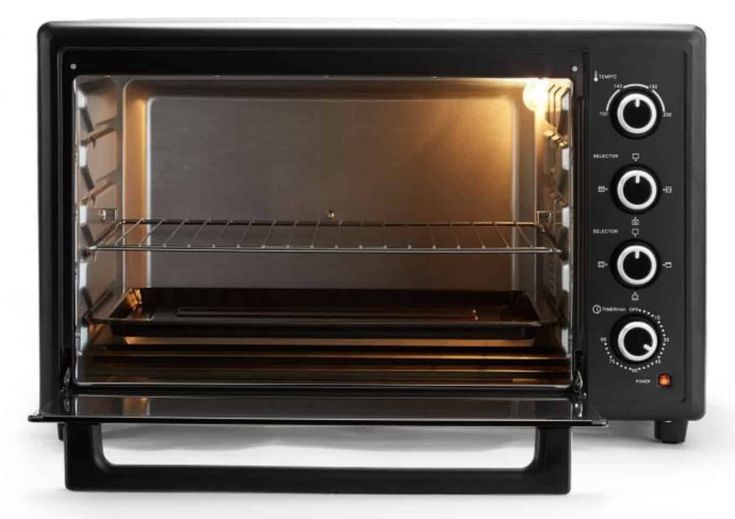
Your family cannot wait three days for a working stove. Our certified technicians are in fully-equipped mobile units across Durban right now — carrying elements, regulators, switches, thermostats and control boards for all major stove brands. Whether your plates have stopped heating, your oven is not working or your gas burner will not ignite — we diagnose, quote and fix in a single visit. Most stove repairs completed the same day you call.
💬 WhatsApp +27 79 976 2941 — We Reply Within Minutes
📞 Call +27 79 976 2941
🟢 Same-day stove repairs across all Durban areas — North, South, Central and West
✅ 22 Years Experience · Certified Technicians · Repairs from R450 · 6-Month Guarantee · All Stove Types · All Major Brands · Transparent Pricing
No hidden fees · Full written quote before we start · You only pay when you approve
When your stove breaks down your kitchen stops working. Here is exactly what happens from the moment you contact us to the moment your stove is working again.
Step 1 — Contact Us by WhatsApp or Phone
Call or WhatsApp us on +27 79 976 2941. Tell us:
• Your suburb in Durban
• Your stove brand, type and model if you have it — freestanding electric, built-in oven, gas stove, ceramic hob or induction hob
• The fault or symptoms you are experiencing — plates not heating, oven not working, gas burner not igniting, stove not switching on, tripping the DB board, burning smell
• Whether the fault started after a load shedding outage — this is important information that helps our technician prepare the correct parts before arriving
• Whether the fault affects one component or the entire stove — one plate, one burner, the oven only or everything
That is all we need. We respond within minutes and confirm same-day availability for your Durban area. For gas stove faults involving a gas smell we advise you immediately on the correct safety steps to take before our technician arrives.
What happens at this step:
• We respond within minutes
• Same-day availability confirmed for your Durban area
• Gas safety advice given immediately for any gas-related fault
• Stove type and fault details noted — correct parts prepared for dispatch where possible
• No deposit and no commitment required
Step 2 — A Certified Stove Technician Arrives at Your Door
A certified technician in a fully-equipped mobile unit is dispatched to your home — in most cases on the same day you contact us. Our mobile units carry the most common stove parts for all major brands including:
For electric stoves and ovens:
• Solid plate elements — all sizes and wattages for major brands
• Radiant ring elements
• Oven bake and grill elements — for all major brands
• Energy regulators — all configurations
• Selector switches and control switches
• Oven thermostats — mechanical and electronic
• Oven fan motors
• Control boards — for the most common brands
• Ceramic hob control boards and touch panels
• Oven door seals and hinges
• Control knobs for all major brands
For gas stoves:
• Igniter modules and individual igniters
• Thermocouples — all sizes and configurations
• Burner caps and burner heads for major brands
• Gas regulators
• Gas valves
Your technician arrives ready to repair — not just ready to assess. In the majority of cases the required part is already on board before the technician knocks on your door.
What happens at this step:
• Certified stove technician dispatched same day in most cases
• Mobile unit stocked with common parts for electric and gas stoves — all major brands
• Gas stove callouts — technician carries gas compliance certification and safety equipment
• You are informed of who is coming before they arrive
Step 3 — Stove Diagnosis and Full Written Quote
When our technician arrives they conduct a systematic diagnosis of your stove or oven. The diagnostic approach varies by stove type:
Electric stove and oven diagnosis:
• Visual inspection — all plates, control knobs, oven interior, element condition, wiring visible from the rear
• Control panel test — all switches and selectors tested for correct electrical output
• Plate element test — each plate element tested for correct resistance and continuity
• Energy regulator test — each regulator tested for correct output at all settings
• Oven element test — bake and grill elements tested for continuity and correct resistance
• Thermostat test — oven thermostat tested for correct operation through the temperature range
• Oven fan motor test — fan operation confirmed, current draw measured
• Control board diagnosis — fault codes read where available, input and output voltages measured
• Temperature accuracy check — oven temperature verified with independent thermometer where oven is functional
• Wiring inspection — all accessible wiring and terminal connections inspected for burn damage, surge damage and loose connections
Gas stove diagnosis:
• Safety check first — gas smell assessment, all burner valves confirmed closed before inspection
• Gas supply confirmed — cylinder valve open, regulator functioning, gas pressure at stove inlet confirmed adequate
• Igniter assessment — spark production tested at each burner igniter
• Thermocouple test — thermocouple voltage output measured at each burner — a thermocouple producing insufficient voltage will not hold the gas valve open after ignition
• Burner cap inspection — all burner caps removed and inspected for blockage, carbon build-up and damage
• Gas valve assessment — valve operation tested at each burner
• Gas regulator assessment — inlet and outlet pressures measured
Ceramic and induction hob diagnosis:
• Error code reading — ceramic and induction hobs display fault codes that identify the specific component fault
• Touch control panel test — all control zones tested for correct response
• Control board assessment — input and output voltages measured, fault code history read
• Zone element test — radiant element or induction coil resistance measured
After completing the diagnosis our technician will:
• Explain exactly what is wrong in plain, straightforward language
• Show you the faulty component where possible
• Provide a full written quote itemising labour and parts separately
• Give an honest recommendation on whether the repair represents good value relative to the age and replacement cost of your stove
No work begins until you have given your written approval. If you are not happy with the quote you pay only the R350 call-out fee and the technician leaves — no pressure and no obligation.
What happens at this step:
• Systematic diagnosis of all relevant components — electric, gas or ceramic
• Gas stoves — safety check conducted before any other assessment
• Fault identified and confirmed with electrical or physical testing — not guesswork
• Fault explained clearly in plain language — component shown where possible
• Full written quote — labour and parts itemised separately
• Honest repair vs replace recommendation
• No work starts without your written approval
• No obligation to proceed — R350 call-out fee only if you decline
Step 4 — Stove Repaired Using Genuine Parts
Once you approve the quote we get to work immediately. Our mobile units carry the most common stove parts for all major brands — meaning the majority of stove repairs across Durban are completed in a single visit.
Typical repair times for common stove faults:
Electric stove repairs:
• Single plate element replacement — 30 to 45 minutes
• Multiple plate element replacement — 45 to 75 minutes
• Energy regulator replacement — 30 to 45 minutes
• Selector switch replacement — 30 to 60 minutes
• Oven bake or grill element replacement — 30 to 60 minutes
• Oven thermostat replacement — 45 to 75 minutes
• Oven fan motor replacement — 45 to 90 minutes
• Control board replacement — 60 to 90 minutes
• Wiring harness repair — 60 to 120 minutes
Gas stove repairs:
• Igniter module replacement — 30 to 60 minutes
• Individual thermocouple replacement — 20 to 45 minutes
• Burner cap cleaning and service — 30 to 45 minutes
• Gas regulator replacement — 30 to 60 minutes
• Gas valve replacement — 45 to 75 minutes
Built-in oven repairs — add 20 to 30 minutes to all estimates above for the time required to safely access and remove the oven from its cabinet installation.
All repairs use genuine OEM parts or high-quality approved replacement parts — never cheap imitations that will fail prematurely. For gas stove repairs all work is carried out in compliance with South African gas safety regulations.
For repairs where a specific part needs to be ordered:
• We inform you of the lead time upfront — typically 1 to 3 business days for common stove parts
• The part cost is included in your approved written quote
• We schedule a return visit as soon as the part arrives
• No additional labour is charged for the return visit
What happens at this step:
• Repair completed using genuine OEM or approved parts
• Gas repairs carried out in compliance with South African gas safety regulations
• Most stove repairs finished in a single visit
• Part ordering process explained clearly if a part is not on board
• No additional charges beyond your approved quote
Step 5 — Stove Tested, Guarantee Issued, Job Complete
When the repair is complete our technician conducts a thorough test of the repaired stove or oven before leaving your home:
Electric stove testing:
• All repaired plates tested at all heat settings — low, medium and high
• Adjacent plates tested to confirm the repair has not affected surrounding components
• Oven heated to confirm correct temperature is reached and maintained
• Oven temperature verified with independent thermometer where oven repair was performed
• Oven fan operation confirmed on fan-assisted models
• All control knobs and switches tested for correct operation
• Stove confirmed not tripping the DB board
Gas stove testing:
• All burners ignited and confirmed to light reliably on the first attempt
• Each burner flame assessed — correct height, even distribution, blue colour indicating complete combustion
• Each thermocouple tested — knob released after ignition and flame confirmed to stay lit
• All burner valves confirmed to shut off completely — no gas flow when knob is in off position
• Final safety check — no gas smell detected at any connection point
After testing your technician will:
• Confirm the stove is fully operational and safe to use
• Explain what was done and what parts were replaced
• Issue your 6-month workmanship guarantee in writing
• Provide practical advice on protecting your stove from future load shedding damage and extending its lifespan
• For gas stoves — provide the gas work compliance certificate where applicable
• Process payment — cash, EFT or card accepted
Your 6-month workmanship guarantee means if the same fault returns within 6 months we come back and fix it at no additional charge. No questions asked.
What happens at this step:
• All repaired components tested thoroughly — plates at all settings, oven temperature, gas burners ignition and flame stability
• Gas stove — complete safety check performed before technician leaves
• 6-month workmanship guarantee issued in writing
• Gas compliance certificate provided for gas stove repairs where applicable
• Load shedding protection and maintenance advice provided
• Payment processed — cash, EFT or card accepted
Our Promise on Every Stove Repair in Durban
A broken stove means your family cannot eat a proper cooked meal — and we take that seriously. We have been repairing stoves across Durban for 22 years because we respond fast, diagnose accurately, carry the parts to fix it on the same visit and back every repair with a guarantee that means something. Whether it is a single burnt-out element in a Chatsworth home or a complete ceramic hob control board replacement in an Umhlanga kitchen — every job gets the same certified technician, the same genuine parts and the same 6-month guarantee. That is our promise on every stove repair across every suburb in Durban.
1. Why does my oven heat unevenly — one side is hotter than the other?
Uneven oven heating is one of the most common oven complaints and has several possible causes depending on the type of oven and the specific pattern of the uneven heating:
Conventional oven — top and bottom elements only: • A partially failed bake element — an element that has not completely failed but has a section that is no longer heating — causes uneven heat distribution across the oven floor. Food placed on the side or area above the failed section cooks slower than the rest. • A failed grill element in a conventional oven that uses both elements simultaneously for certain functions causes the top of food to cook slower than the bottom • Incorrect rack positioning — placing the rack too close to the active element causes the nearest side of food to cook faster. This is a usage issue rather than a fault.
Fan-assisted oven: • A failing oven fan motor — one that is running at reduced speed or intermittently — causes uneven hot air circulation and uneven cooking results. The side of the oven closest to the fan may cook faster than the opposite side. • A failed fan motor that has stopped completely in a fan-assisted oven causes the oven to behave like a conventional oven — uneven top-to-bottom heat distribution without the fan to circulate and equalise temperature. • Blocked fan blade — grease and food debris accumulating on the fan blade unbalances the fan and reduces airflow efficiency
Thermostat calibration drift: • A thermostat that has drifted out of calibration may cause the oven to run hotter on one element than the other in a dual-element oven — because the temperature is not being correctly measured and the element cycling is not correct. An oven that consistently overcooks on one side while undercooking on the other is showing classic thermostat calibration drift.
WhatsApp us on +27 79 976 2941 for a same-day oven diagnosis across Durban. Our technicians check oven temperature distribution with a calibrated thermometer during every oven repair visit.
2. Why does my gas stove burner ignite but the flame goes out when I release the knob?
This is the classic symptom of a faulty thermocouple — one of the most common gas stove faults we repair across Durban. Understanding how the thermocouple works explains exactly why this happens:
The thermocouple is a safety device — a small probe positioned in the burner flame that generates a tiny electrical voltage when heated. This voltage signals the gas valve to stay open and maintain gas supply to the burner. When the thermocouple is working correctly you hold the knob in for 5 to 10 seconds after ignition — long enough for the thermocouple to heat up and generate sufficient voltage — and the flame then stays lit when you release the knob.
When the thermocouple fails — or is partially failing — it either generates insufficient voltage to hold the gas valve open or takes too long to heat up. The result is the flame going out the moment you release the knob — or requiring you to hold the knob in for an unusually long time before the flame stays lit.
The thermocouple can fail due to: • Normal wear and age — thermocouples have a finite lifespan and eventually produce insufficient voltage • Physical damage — a bent, cracked or corroded thermocouple tip produces reduced voltage • Carbon build-up on the tip — deposits from food spills insulate the thermocouple tip and reduce its temperature response • Load shedding damage — in some cases power surges affect the gas valve solenoid that the thermocouple controls rather than the thermocouple itself
Thermocouple replacement is a straightforward same-day repair that our technicians carry out across Durban. Do not continue attempting to use a burner with a faulty thermocouple by holding the knob in indefinitely — the thermocouple is a safety device and bypassing its function defeats its purpose. WhatsApp us on +27 79 976 2941.
3. Can I replace a stove element myself and is it safe to do so?
Technically a stove element replacement is possible as a DIY task — the basic process of disconnecting the old element and connecting the new one is straightforward. However there are important safety and practical considerations:
Safety risks of DIY element replacement: • Electrical isolation — the stove must be completely isolated from the electrical supply before any element work. Simply turning the stove off at the control knobs is not sufficient — the terminal block behind the stove remains live. The stove must be switched off at the DB board and ideally the fuse removed before any work begins. • Incorrect element specification — stove elements are specific to each stove model — correct wattage, physical dimensions and terminal configuration are all critical. An incorrectly specified element can overheat, trip the DB board or fail prematurely. • Terminal block damage — the element terminals in a stove that has been in service for several years are often corroded or brittle. Removing old terminals without damaging the terminal block requires experience and the correct tools. • Ceramic hob elements — built-in radiant elements under ceramic hob glass are significantly more complex to replace than open plate elements and are not a practical DIY repair.
Our recommendation — for a standard open-plate element replacement on a freestanding stove an experienced DIY person can perform the task safely if they are confident working with domestic electrical wiring and understand the isolation requirements. For built-in ovens, ceramic hobs, induction hobs and any stove where the fault is not clearly and obviously just the element — call a certified technician. A misdiagnosed element replacement that leaves the underlying fault unaddressed is money wasted.
Our element replacement service costs from R450 including call-out and labour for most standard elements — and includes a diagnosis to confirm the element is the only fault. WhatsApp us on +27 79 976 2941.
4. Why does my ceramic hob show an error code and what do the most common codes mean?
Ceramic and induction hobs display error codes when the internal control system detects a fault. The specific error codes vary between brands and models — your user manual is the definitive reference for your specific hob. However these are the most common error codes and their general meanings across major brands:
E0 or F0 — internal sensor fault. The temperature sensor inside the hob is reading incorrectly or has failed. This fault is frequently caused by a load shedding surge damaging the sensor or the control board input circuit.
E1 or F1 — overtemperature protection activated. The hob has detected that a cooking zone or an internal component has exceeded its safe operating temperature. Common causes include cooking with an empty pan, using incompatible cookware on an induction zone or a failed cooling fan inside the hob.
E2 or F2 — voltage or power supply fault. The hob has detected an abnormal voltage supply — either too high or too low. This error frequently appears after a load shedding restoration surge or in homes with consistently low mains voltage.
E3 or F3 — touch control panel fault. The touch control buttons are not responding correctly or are detecting phantom touches. This can be caused by load shedding surge damage to the touch panel or by liquid ingress under the ceramic surface near the touch controls.
E4 or F4 — cooling fan fault. The internal cooling fan that prevents the control electronics from overheating has failed or is running slowly. This fault requires attention before the control board itself overheats and fails.
E5 or F5 — IGBT or power module fault. The high-power switching components that drive the induction coils have failed — typically from a load shedding surge. This is the most expensive induction hob repair.
If your ceramic or induction hob is displaying an error code WhatsApp us on +27 79 976 2941 with your hob brand and the error code displayed — we will give you an initial assessment before sending a technician.
5. How do I clean my stove burners correctly to prevent ignition problems?
Blocked or contaminated gas stove burners are one of the most common causes of ignition problems — and regular correct cleaning prevents most of these faults from developing. Here is the correct cleaning procedure for gas stove burners:
What you need: • Warm water and mild dish soap • A small soft brush — an old toothbrush works well • A pin or toothpick for clearing burner holes • A dry cloth
Step by step:
If your burners are still not igniting correctly after thorough cleaning the fault is in the igniter, thermocouple or gas valve — not in the burner itself. WhatsApp us on +27 79 976 2941.
6. What is the difference between a solid plate stove and a radiant hob and which is easier to repair?
Solid plate stoves and radiant hobs are both electric cooking surfaces but they work differently and have different repair characteristics:
Solid plate stoves — the older technology found in most budget and mid-range freestanding stoves. A solid plate is a thick cast iron plate with a coiled heating element embedded inside it. The plate heats up slowly, retains heat well and cools down slowly. Solid plates are robust and relatively simple — the main components that fail are the embedded element and the energy regulator.
Repairability — solid plate stoves are the most repairable and most affordable to repair of all stove types. Elements and regulators are widely available and inexpensive. Our technicians carry elements and regulators for all major solid plate stove brands in their mobile units. Most solid plate repairs are completed in under an hour.
Radiant hobs — a more modern technology that uses a coiled wire heating element positioned below a smooth ceramic glass surface. The element heats the ceramic glass which then radiates heat to the cookware. Radiant hobs heat faster than solid plates and have a smooth easy-to-clean surface. The heating element is not embedded in cast iron — it is a separate component below the ceramic glass.
Repairability — radiant element replacement is more complex than solid plate element replacement as it involves accessing the element beneath the ceramic glass. The ceramic glass itself can crack under thermal shock or physical impact and replacement is an expensive repair — sometimes approaching the cost of a new hob. Control board failures on ceramic hobs — commonly caused by load shedding — are also more expensive than equivalent repairs on solid plate stoves.
From a repairability and running cost perspective solid plate stoves are more practical for budget-conscious Durban households. For ease of cleaning and cooking speed radiant and induction hobs offer advantages but with higher repair costs when faults develop.
7. Why does my oven light work but the oven does not heat?
An oven where the light works but the oven does not heat at all is a very useful diagnostic clue — it tells you that the main electrical supply to the oven is functioning and the fault is in the heating circuit specifically. Common causes:
Both elements have failed simultaneously — unusual but possible after a significant power surge. Both the bake and grill elements can be damaged in the same load shedding event.
Oven selector switch fault — the selector switch routes power to the correct element or combination of elements for each cooking function. A failed selector switch that has broken the circuit to both elements causes the oven not to heat despite the light working normally.
Oven thermostat fault — the thermostat is wired in series with the element circuit. If the thermostat has failed in the open position it breaks the element circuit while leaving the light circuit — which is wired in parallel — unaffected.
Oven control board fault — on electronically controlled ovens the control board manages the relay that switches power to the elements. A failed control board relay causes no heating despite the oven display and light functioning normally.
Thermal cutout activated — ovens have a non-resettable thermal cutout that permanently breaks the heating circuit if the oven overheats dangerously. Once tripped the thermal cutout must be replaced to restore oven function. This fault is caused by thermostat failure that allowed the oven to overheat or by operating the oven with restricted ventilation.
WhatsApp us on +27 79 976 2941 — our technicians diagnose the specific cause of oven no-heat faults accurately and carry the most common replacement components for same-day repair across Durban.
8. Is it safe to use my oven if the inner glass panel is cracked?
A cracked inner glass panel on an oven door is a safety concern that should be addressed promptly — but the level of urgency depends on the extent of the crack:
Minor crack or chip not penetrating through the glass — the oven can typically continue to be used with care while waiting for a repair appointment. However a minor crack should not be ignored — thermal cycling during oven use causes cracks to propagate and a small crack can become a complete glass failure relatively quickly under the thermal stress of regular oven use.
Crack penetrating through the full thickness of the glass — the oven door glass should be considered compromised. Hot gases and moisture can escape through the crack and reach the outer glass panel and the door cavity. More importantly the structural integrity of the glass is compromised and further use increases the risk of complete glass failure. Stop using the oven and contact us on +27 79 976 2941.
Complete glass failure — the inner glass has shattered or broken into pieces. Do not use the oven. A failed inner glass exposes the insulation in the door cavity, allows dangerous heat to reach the outer door surfaces and creates a risk of glass fragments in the oven cavity.
Oven inner glass replacement is a repair we carry out across Durban for all major stove brands. In most cases the inner glass can be replaced without replacing the complete oven door. WhatsApp us on +27 79 976 2941 for a same-day assessment.
9. Why does my gas stove smell like gas even when all the burners are switched off?
A gas smell from your stove when all burners are in the off position is a serious safety situation that requires immediate action:
Immediate steps: • Do not attempt to use the stove or ignite any burner • Do not operate any electrical switches — including light switches — in the vicinity. An electrical spark can ignite accumulated gas. • Turn off the gas supply at the cylinder valve immediately • Open windows and doors to ventilate the area • Leave the room and allow it to ventilate before returning • Do not use your mobile phone inside the room if the gas smell is strong — move outside to make calls • Contact us on +27 79 976 2941 immediately once you are in a safe location
Common causes of a gas smell with all burners off: • Failed gas valve — a gas valve that does not close completely allows a continuous small gas flow through the burner even in the off position. This is the most common cause and requires immediate replacement of the faulty valve by a certified technician. • Gas connection leak — the connection between the gas cylinder regulator and the stove inlet pipe has developed a leak. Check all connections by applying soapy water — bubbles indicate the leak location. Do not attempt to repair gas connections yourself. • Regulator fault — a failed gas pressure regulator can allow gas to pass through in the off position or can vent gas through the regulator relief valve. • Rubber supply hose deterioration — the flexible rubber hose connecting the gas cylinder to the stove deteriorates with age and UV exposure — particularly in Durban’s climate. A cracked or perished hose leaks gas continuously.
Do not use the stove until it has been inspected and cleared as safe by a certified gas technician. WhatsApp us on +27 79 976 2941 as soon as you are safely outside the affected area.
10. How do I extend the lifespan of my stove and oven in Durban?
The most effective steps to extend the lifespan of your stove and oven in Durban’s specific conditions — particularly given the impact of load shedding on electronic components:
Load shedding protection: • Install a dedicated surge protector on the stove circuit — this is the single most effective measure for extending the lifespan of ceramic hobs, induction hobs and electronically controlled ovens • Switch the stove off at the wall during load shedding — not just at the control knobs • Wait 5 minutes after power restoration before switching the stove back on to allow voltage to stabilise • Consider switching to a gas hob as your primary cooking surface — gas hobs are completely immune to load shedding damage and continue to function during power outages
Plate and element care: • Avoid boiling dry — allowing pots and pans to boil dry on solid plates or radiant hobs causes extreme overtemperature that accelerates element failure • Use correctly sized cookware — using a small pot on a large plate causes the exposed area of the plate to overheat and shortens element lifespan • Allow plates to cool before cleaning — thermal shock from cold water on a hot plate can crack the plate and damage the element • Do not use the oven element as a support — placing foil or baking trays directly on the bake element causes it to overheat at contact points and fail prematurely
Gas stove maintenance: • Clean burner caps and heads regularly — monthly in a busy kitchen — to prevent ignition problems from blocked burner holes • Wipe the thermocouple tip clean monthly — carbon build-up on the thermocouple tip reduces its voltage output and causes the flame to go out prematurely • Replace the gas supply hose every 3 to 5 years — rubber hoses deteriorate with age and UV exposure and a cracked hose is a gas leak hazard • Have a certified technician inspect all gas connections annually — small leaks at connections are not always detectable by smell alone
Oven care: • Clean the oven regularly — excessive grease and food debris build-up causes smoke, unpleasant smells and accelerated element deterioration • Do not line the oven floor with foil — foil on the oven floor blocks heat circulation and causes the bake element to run hotter than intended • Check the oven door seal annually — a deteriorating door seal allows heat to escape and causes the oven to run hotter than necessary to compensate — accelerating element and thermostat wear
Appliance Repairs Durban provides fast, reliable and same-day repair services across the entire Durban metro. Our mobile units operate daily in all major suburbs, ensuring quick response times and efficient service wherever you are.
Umhlanga · La Lucia · Durban North · Ballito · Tongaat · Mount Edgecombe · Phoenix · Verulam
Berea · Morningside · Musgrave · Glenwood · Overport · Durban CBD · Sydenham · Greyville
Bluff · Isipingo · Amanzimtoti · Montclair · Wentworth · Yellowwood Park · Malvern · Merebank
Pinetown · Westville · Hillcrest · Kloof · Chatsworth · Queensburgh · New Germany · Gillitts
No matter where you are in Durban, our technicians are already nearby and ready to assist with same-day appliance repairs.
Call +27 79 976 2941
WhatsApp +27 79 976 2941
Your trusted local experts for appliance repairs in Durban — fast, professional and always reliable.
| Service Type | Days | Hours |
|---|---|---|
| Standard Appliance Repairs | Monday – Sunday | 8:00 AM – 6:30 PM |
| Fridge & Freezer Repairs | Monday – Sunday | 8:00 AM – 6:30 PM |
| Air Conditioning Services & Regassing | Monday – Sunday | 8:00 AM – 6:30 PM |
| Geyser & Gas Appliance Repairs | Monday – Sunday | 8:00 AM – 6:30 PM |
| Commercial Refrigeration Repairs | Monday – Sunday | 8:00 AM – 6:30 PM |
| Washing Machine & Dishwasher Repairs | Monday – Sunday | 8:00 AM – 6:30 PM |
| Stove & Oven Repairs | Monday – Sunday | 8:00 AM – 6:30 PM |
| 🚨 Emergency Appliance Repairs | 24/7 | Available Anytime |
Appliances do not wait for business hours — and neither do we.
If your fridge, freezer, cold room, gas appliance or critical commercial equipment breaks down after hours, our emergency team is ready to respond quickly across Durban.
We prioritise urgent breakdowns to minimise:
Food spoilage
Business downtime
Safety risks
📞 Call: +27 79 976 2941
💬 WhatsApp: +27 79 976 2941
Fast, reliable emergency appliance repairs — anytime you need us in Durban.
Appliance Repairs Durban is a trusted local company with over 22 years of experience providing fast, reliable appliance repair services across all Durban areas. We specialise in fridge, freezer, air conditioning, washing machine, dishwasher, stove, gas and geyser repairs, with same-day service, transparent pricing and a 6-month workmanship guarantee.